
Edward O. Thorp
The mathematician who proved blackjack could be beaten. Using an IBM 704, Thorp showed card counting overcomes the house edge and published the landmark 1962 book Beat the Dealer (700,000+ copies). He field-tested it in Nevada, built the first wearable computer to beat roulette with Claude Shannon, then pioneered quantitative finance. Every advantage player today stands on his work.

Phil Ivey
The “Tiger Woods of Poker” and one of the greatest players ever — 11 WSOP bracelets and a 2017 Poker Hall of Fame induction. Beyond the felt, his baccarat edge-sorting cases against Crockfords (London) and the Borgata became the defining legal battles over where advantage play ends and cheating begins.
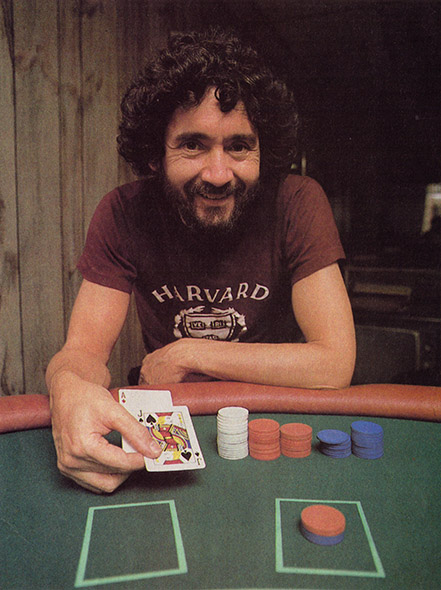
Ken Uston
A Harvard MBA and stock-exchange VP who left finance to become blackjack’s most famous “Big Player.” He popularized team card counting worldwide, often in elaborate disguises, and won a landmark 1982 New Jersey Supreme Court case that still prevents Atlantic City casinos from barring skilled counters.
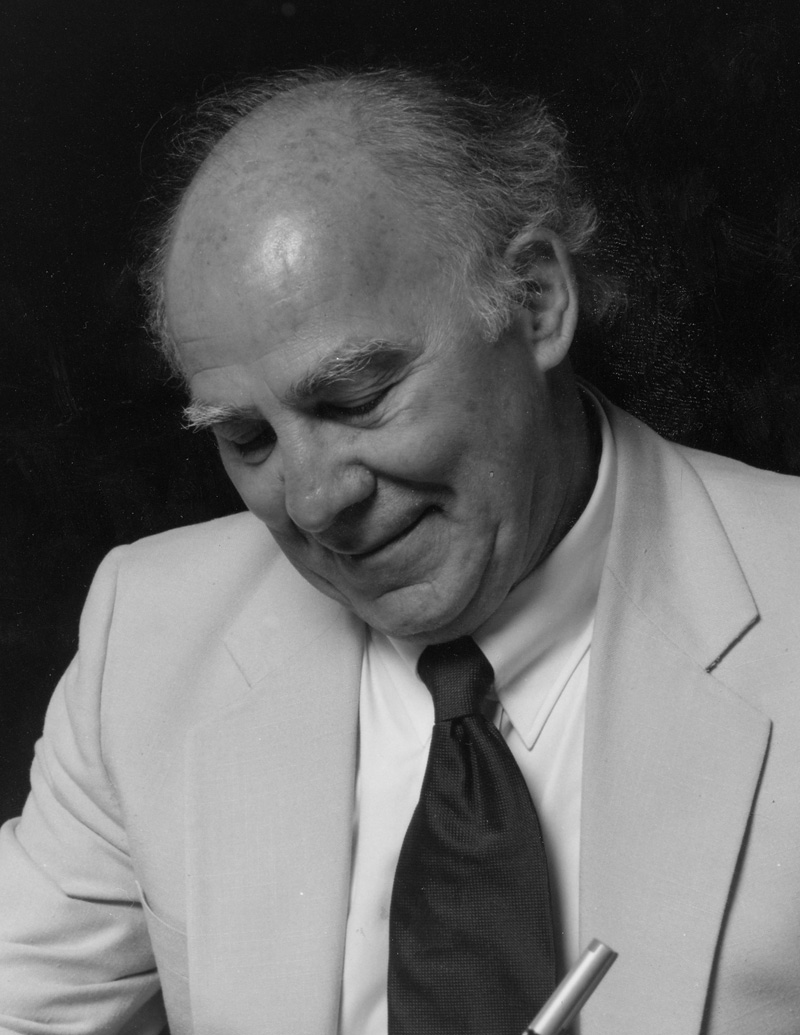
Al Francesco
“The Godfather of Blackjack.” After being barred as a solo counter, he invented team play and the “Big Player” concept — counters signaling a single big bettor — defeating the casinos’ betting-pattern detection and creating the template every later team, including MIT’s, would follow.
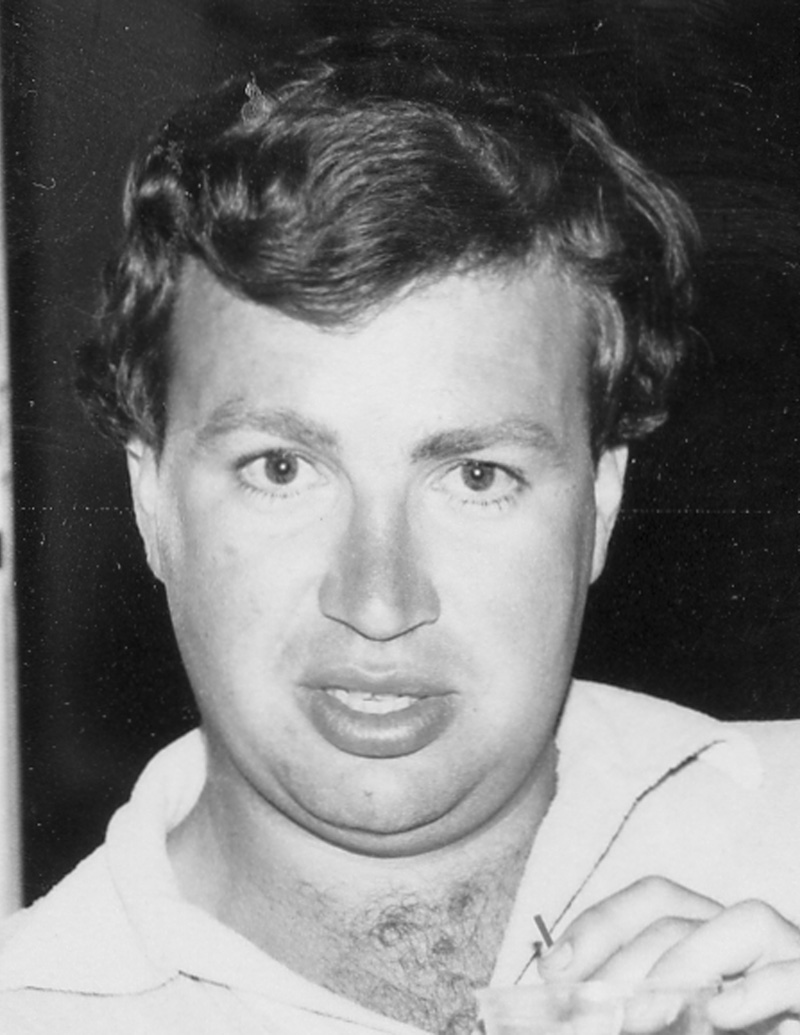
Tommy Hyland
Founder of the longest-running blackjack team in history, active since 1979. His teams evolved beyond counting into shuffle tracking and ace sequencing, and his 1994 Casino Windsor case — won with Arnold Snyder’s expert testimony — helped keep team play legal in North America.
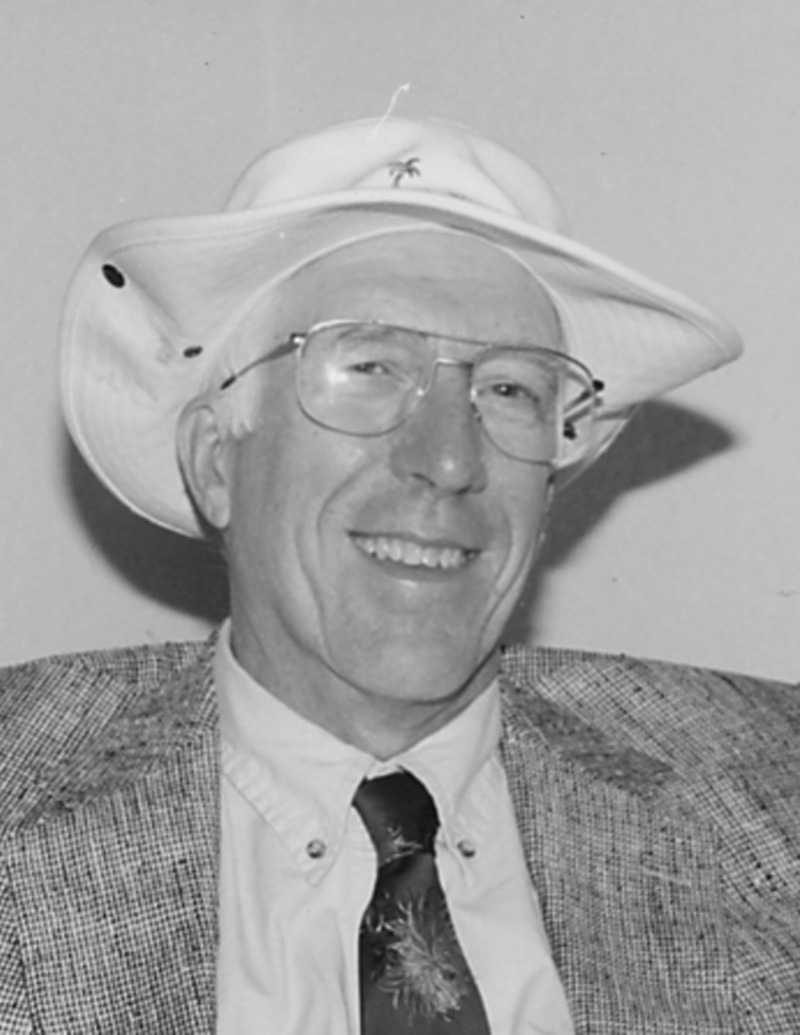
Stanford Wong
Pen name of John Ferguson, author of the classic Professional Blackjack. The technique “Wonging” — back-counting a table and entering only when the count is favorable — is named for him, and is the reason casinos post “no mid-shoe entry” signs.

Arnold Snyder
Professional player, theorist, and the most influential blackjack journalist of his era. As editor of Blackjack Forum he exposed fake systems and championed players’ rights; Blackbelt in Blackjack democratized counting, and his testimony helped preserve the legality of team play.

Keith Taft
The electronics genius of advantage play. A devout engineer, he spent decades building concealed casino computers — including “George,” a toe-operated shoe computer — used by professional teams until Nevada banned gambling devices in 1985.

Bill Kaplan
Harvard MBA who co-founded and professionalized the MIT Blackjack Team in 1980, applying formal training, checkout tests, and investor-backed bankroll management — turning card counting into a managed investment fund and inspiring Bringing Down the House.

Semyon Dukach
A Soviet-born MIT grad who became a star Big Player on the MIT team and later led the breakaway “Amphibians.” The central figure of Ben Mezrich’s Busting Vegas, he went on to become a noted tech entrepreneur and venture capitalist.

Mike Aponte
“MIT Mike” — one of the team’s most successful Big Players and its manager, recruiting and training players as the team won millions through 2000. He later won the 2004 World Series of Blackjack and now coaches and lectures.

James Grosjean
Widely regarded as the most rigorous living advantage player. His book Beyond Counting is a near-mathematical bible of legal edges beyond card counting, and he won landmark lawsuits against casinos and the Griffin detective agency — driving Griffin into bankruptcy. The youngest-ever Hall of Fame inductee.

Don Johnson
Beat three Atlantic City casinos for roughly $15 million over six months in 2011 — not by counting, but by negotiating. Amid post-2008 desperation for high rollers, he secured rule concessions and loss rebates that flipped the math in his favor, then executed flawlessly.

Max Rubin
The authority on casino comps and author of Comp City, plus a familiar TV gambling analyst. Most importantly for AP culture, he hosts the invitation-only Blackjack Ball — the annual gathering of the world’s top advantage players where Hall of Fame voting takes place.

Richard W. Munchkin
Professional blackjack and backgammon player and the chronicler of the AP world. His book Gambling Wizards collected definitive interviews with the greatest professional gamblers, and his long-running “Gambling With an Edge” show documents the craft.

Billy Walters
Regarded as the most successful sports bettor in history, with a winning record spanning roughly three decades. A member of the 1980s “Computer Group,” he won through volume and small edges — candidly noting he wins only about 57% of bets — and once exploited a biased roulette wheel for millions.
Photographs are used for editorial and educational purposes and are sourced from public and press materials, including the Blackjack Hall of Fame and Wikimedia Commons (Phil Ivey, CC BY-SA 3.0). All images remain the property of their respective owners.